Vietnam Connection
Vietnam
is Open to Hemp Business
Direct access to farming, processing, and manufacturing partners across Vietnam’s hemp supply chain.
The complete sourcing connection for international buyers who need supplier access, quality control, compliance alignment, and continuity in Vietnam.
National Interface
The reference connection for Vietnam-facing hemp business
Operational Control
Structured intake, screening, sampling, quality control, documentation
Destination Markets
United States, France, European Union, broader export programs
Core Positioning
Structured Market Access
The decisive suppliers in Vietnam are not reached through open search, generic listings, or fragmented outreach. Access to workable capacity depends on relationships, production discipline, and supplier screening.
Vietnam Hemp sits between international demand and Vietnamese production as the filter, validator, and connector. Buyers do not receive directories. They receive access to suppliers aligned with product scope, capacity, quality expectations, export standards, and continuity requirements.
Filter
Remove non-responsive, non-export-ready, or unverified operators.
Validate
Check capability, documentation discipline, and production fit.
Connect
Move from fragmented outreach to controlled supplier engagement.
Vietnam Market Opening
Market Conditions
Industrial hemp is not the same as controlled cannabis.
International hemp buyers require a clear distinction between low-THC industrial fiber supply chains and narcotics-regulated cannabis. That distinction must be preserved in sourcing, testing, paperwork, and shipment structure.
Vietnam’s strength is execution capacity.
The country already operates at scale in textiles, garment production, contract manufacturing, and export logistics. Hemp integration becomes commercially viable when those existing systems are matched with compliant material inputs and controlled supplier access.
Cultivation requires regulatory discipline.
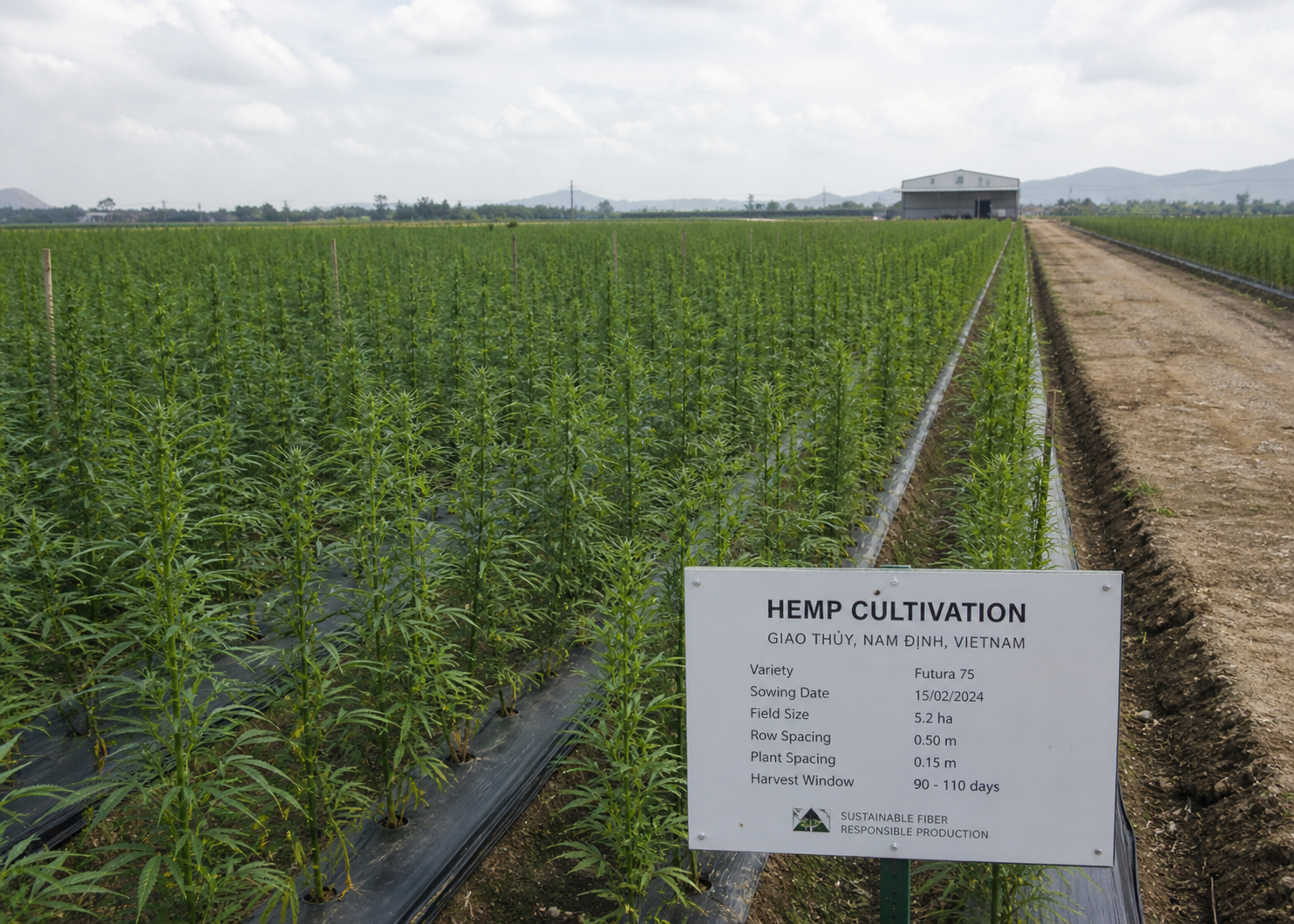
Any project involving local growing must be handled as a regulated activity under applicable Vietnamese law, not assumed as open-field commodity sourcing. The platform therefore treats farming access as managed and project-specific.
Export orientation is the commercial driver.
The operational objective is not domestic retail. It is export-ready production that can satisfy buyer specifications, documentation thresholds, and shipment requirements for the United States, France, and broader EU markets.
Institutional Positioning
Operating Structure

National-Level Framing
Vietnam is presented as a serious industrial platform with hemp integration potential across agriculture, processing, textiles, garments, and OEM manufacturing.
International Buyer Interface
English-first structure, procurement language, and destination-market discipline establish a direct working interface for U.S., European, and French commercial teams.
Execution-Centered Presentation
Every section reinforces access, quality, compliance, continuity, and operational control instead of vague industry optimism.
Command View
Operating Model
Buyer Input Layer
Specifications, quantities, market destination, compliance exposure, and timing are captured in a format that supports commercial decision-making.
Qualification Layer
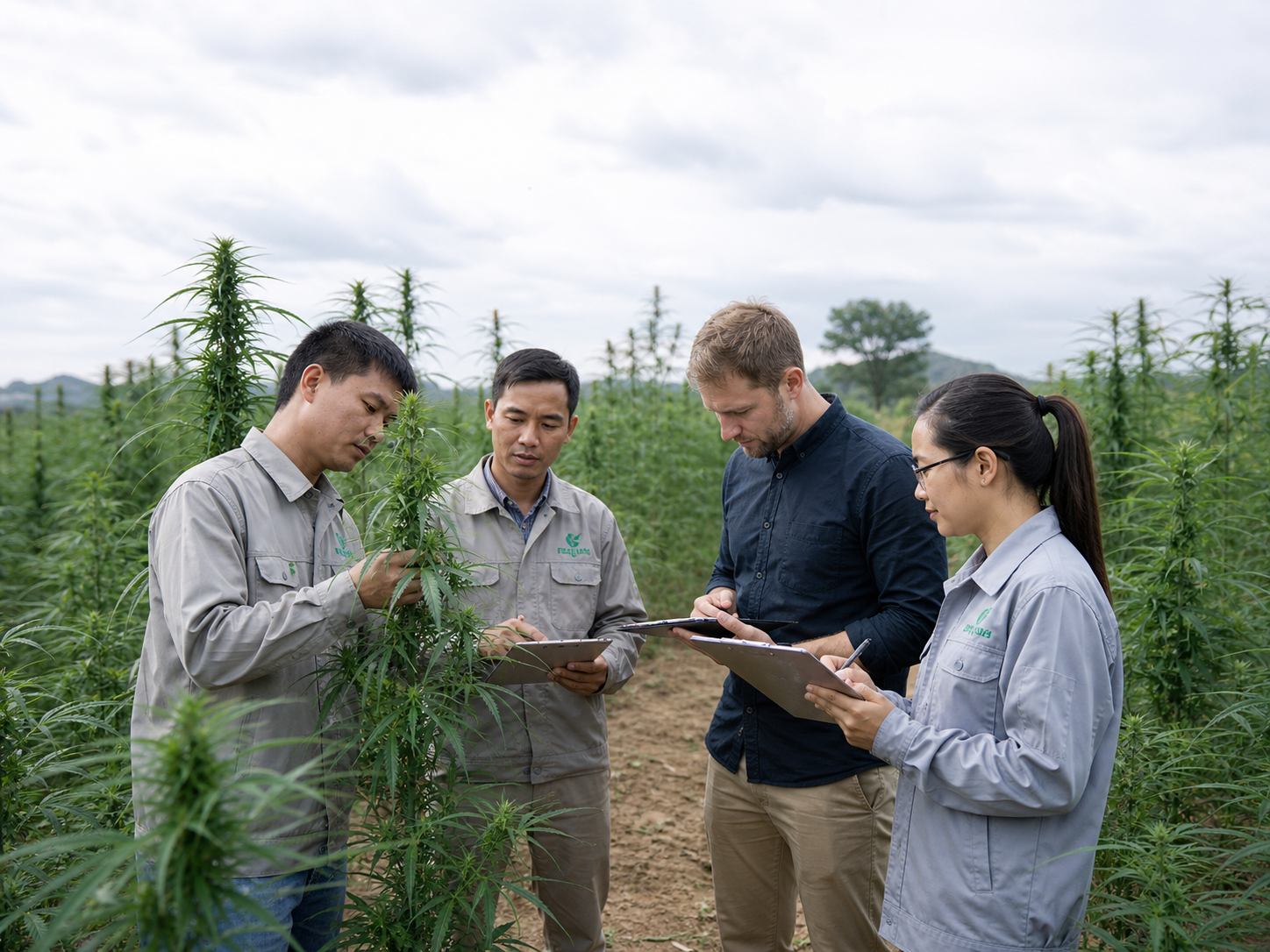
Suppliers are reviewed for product fit, responsiveness, documentation behavior, and usable production capacity.
Control Layer
Sampling, QC checkpoints, lot consistency, and shipment-readiness are managed as governance steps, not optional extras.
Delivery Layer
Production and export execution are aligned with destination-market requirements and buyer continuity expectations.
Full Supply Chain Coverage
Supply Chain Coverage
Farming and Raw Material Sourcing
Structured access to compliant raw material pathways, including managed cultivation opportunities where legally supportable and imported or regionally coordinated input options where required.
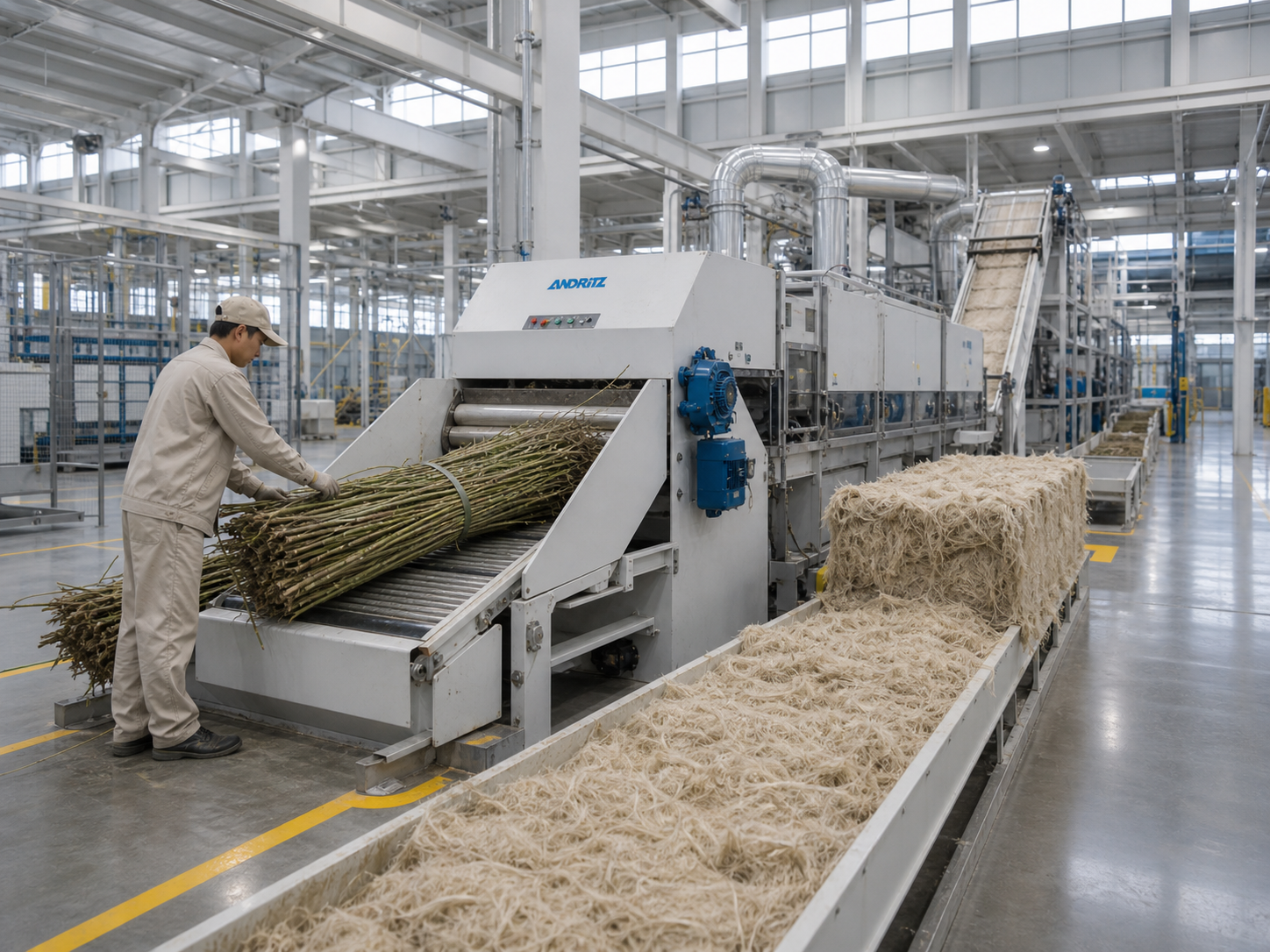
Fiber Processing and Decortication
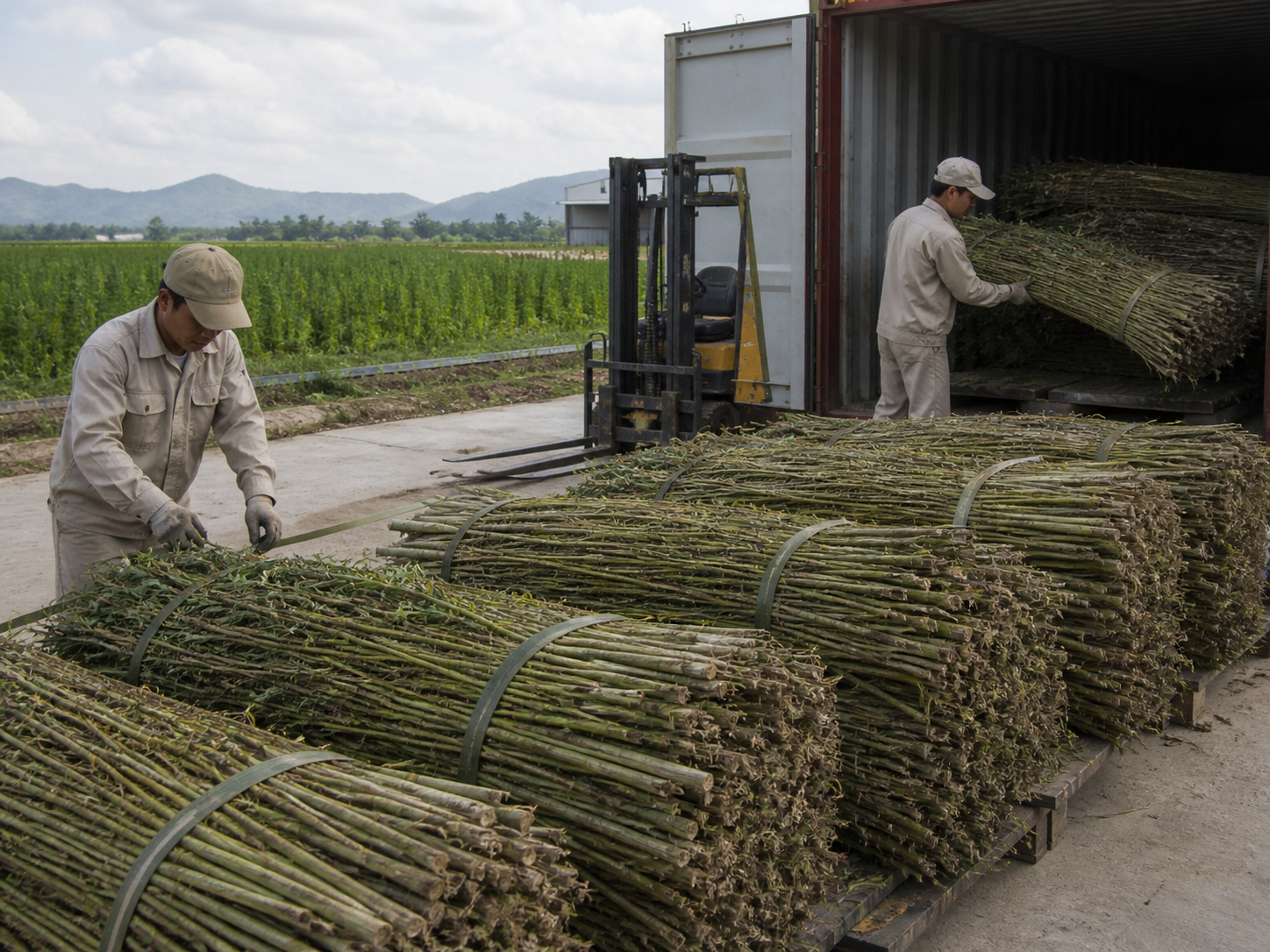
Partner identification for bast fiber extraction, decortication, cleaning, and primary sorting based on downstream textile or industrial use requirements.
Yarn and Textile Production
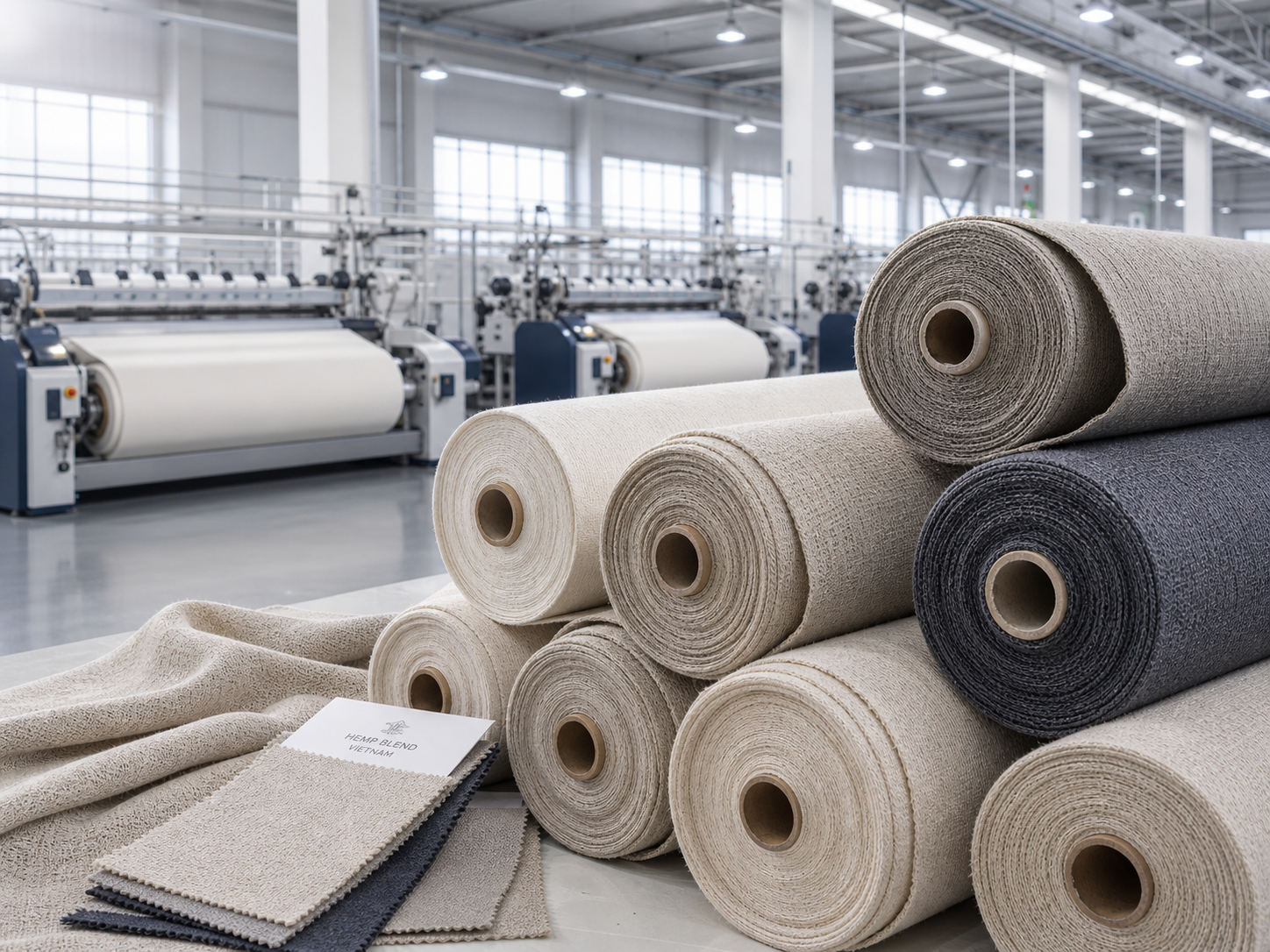
Spinning, blending, weaving, knitting, dyeing, and finishing access through Vietnam’s existing textile infrastructure, with supplier matching based on composition, hand feel, and scale.
Finished Goods and Garment Manufacturing
Cut-and-sew, home textile, soft goods, and finished consumer product manufacturing for brands requiring export-ready production discipline rather than sample-room improvisation.
OEM and Private Label Production
Confidential sourcing routes for buyers requiring proprietary specifications, packaging programs, labeling control, and continuity beyond a single purchase order.
Commercial Search Intent
Commercial Entry Points
Hemp Suppliers in Vietnam
In this market, supplier visibility is secondary. What matters is which operators can meet specification, documentation, and delivery requirements under export conditions.
Hemp Textile Manufacturing in Vietnam
Vietnam’s textile sector gives hemp programs a serious production base for blending, spinning, fabric conversion, finishing, and garment execution when the right manufacturing partner is in place.
Hemp Fabric and Garment Factories
Brands looking for hemp fabric manufacturers in Vietnam or hemp garment factories in Vietnam need more than introductions. They need factories that can execute to spec, maintain lot consistency, and ship against deadlines.
OEM and Private Label Hemp Production
OEM and private label programs require confidential sourcing, packaging control, technical consistency, and repeat-order continuity. That is handled through structured supplier matching and controlled production review.
Why Vietnam Can Lead Globally
Why Vietnam
China remains a major reference point in hemp textiles, but buyers also need alternatives with competitive labor economics, strong factory execution, and established garment export systems. Vietnam meets that profile.
Vietnam combines lower-cost production compared with many mature manufacturing markets, a disciplined industrial labor base, and one of the world’s most developed apparel and textile export ecosystems. That combination is unusually important for hemp, because hemp is difficult to scale without existing spinning, blending, finishing, and garment capability.
For the United States, Vietnam is already a major trade partner. For France and the wider EU, Vietnam operates inside an established trade framework with clear customs and origin procedures. That means hemp textile programs do not have to be built from zero. They can be integrated into trade lanes that already exist.
Vietnam’s textile scale, export lanes, and manufacturing depth make it one of the strongest platforms for hemp textile expansion when supplier access and compliance are managed correctly.
Quality Standards
Quality Control
Fiber Grading and Consistency
Buyers need defined grading criteria for fiber length, cleanliness, color variance, and contamination tolerance. Unspecified “good quality” language is not accepted.
Tensile Strength and Durability
Mechanical performance matters for yarn conversion, fabric life, and end-product reliability. Testing protocols must align with the intended product category, not generic supplier claims.
Batch Uniformity
Sampling must represent production lots. Variation across color, blend ratio, hand feel, weight, or shrinkage is a sourcing risk that must be identified before scale production begins.
Production Scalability
A viable supplier must show repeatable output, stable process control, and realistic lead-time planning. Pilot success without scale discipline is not sufficient.

Enterprise Signals
Operating Signals
Structured Commercial Intake
No consumer-style chat funnel. Requirements are captured as sourcing briefs with usable specification inputs.
Qualification Before Introduction
Supplier contact is framed as a filtered business step, not open listing exposure or uncontrolled outreach.
Compliance Before Shipment
Testing, traceability, origin documents, and destination-market review are treated as workflow stages.
Continuity Over One-Off Orders
The commercial model is continuity, scale, and repeatable execution across buying cycles.
Trade Corridors
Trade Corridors
North American Corridor
Driven by textile imports, OEM programs, and buyers that require tight shipment documentation, importer-facing controls, and federal hemp awareness.
European Union Corridor
Driven by origin handling, market-entry discipline, and hemp-related procurement programs linked to textile and finished goods sourcing.
Production Coverage
Production and Material View


Compliance Framework
Export Compliance
Hemp exports require defined THC thresholds, defensible testing, correct shipment paperwork, and product traceability. The platform exists to translate local production into internationally acceptable commercial documentation.
- THC thresholds: production and shipment review must align with destination-market limits, including the U.S. federal hemp threshold of 0.3% delta-9 THC on a dry-weight basis and EU hemp rules tied to 0.3% THC for relevant raw hemp and seed categories.
- Lab testing and certification: third-party analytical testing, lot-based documentation, and certificate handling must match the product category and destination requirements.
- Certificate of origin and export documents: commercial invoice, packing list, origin documentation, and customs-facing records must be consistent and shipment-ready.
- Labeling and traceability: composition, product description, lot reference, and supply-chain trace data must be maintained in a form that supports import review and buyer auditability.
- France and EU handling: French buyers still operate inside EU hemp rules but may impose stricter buyer-side standards on testing, provenance, and product declarations.
Documentation Stack
Documentation Stack
Technical Brief
Product category, composition, performance targets, packaging standards, and commercial timing.
Sampling Record
Approval state, lot reference, deviations, and decision notes before scale commitment.
Testing and Compliance File
Analytical results, threshold review, traceability references, and importer-facing support records.
Shipment File
Invoice, packing list, origin documents, labeling references, and customs-aligned descriptions.
International Standards
International Standards
Material Specification Control
Fiber grade, blend ratio, fabric weight, color tolerance, shrinkage behavior, and finishing requirements are defined before supplier matching and confirmed again in sampling.
Batch Uniformity Review
Production lots are checked for repeatability across handle, composition, appearance, weight, and downstream manufacturing behavior.
Durability and Performance
Where product category requires it, buyers can align sourcing with tensile strength, wear, construction stability, and other performance expectations relevant to the end market.
Scalability Under Export Conditions
Suppliers are reviewed not only on sample quality but on their ability to repeat that quality at production scale with stable lead times and documentation support.
Sourcing Process
Sourcing Process
-
1. Buyer Submits Specifications
Product type, composition, quantity, technical parameters, target market, and commercial timeline are captured at intake.
-
2. Supplier Matching
Potential production partners are filtered against capability, scale, documentation discipline, and export fit.
-
3. Sampling Phase
Sample development confirms material characteristics, production feasibility, and specification alignment before commercial commitment.
-
4. Quality Control Verification
QC checkpoints validate lot consistency, measurable performance, and risk exposure before scale production proceeds.
-
5. Production
Approved suppliers move into controlled production with lead-time, output, and communication expectations clearly defined.
-
6. Export Coordination
Shipment preparation includes testing records, documentation alignment, and destination-market export readiness.
Trust Layer
Trust Layer
The platform structures supplier access through responsiveness, production fit, export track record, documentation behavior, and execution discipline. This is not directory logic. It is controlled market access.
The strongest operators in Vietnam are not marketed for casual discovery. Vietnam Hemp sits at the working intersection between those operators and international buyers who expect precision.
Risk Reduced
- Less speculative outreach
- Lower documentation uncertainty
- Better production continuity
- Higher confidence in shipment readiness
Buyer Profiles
Buyer Profiles
Importers
Need shipment readiness, document consistency, and lower supply-side uncertainty.
Brands
Need repeatable materials, OEM control, packaging discipline, and fabric or finished-goods continuity.
Sourcing Offices
Need the lead local interface that can narrow the field and direct engagement at the right production level.
Private Manufacturing Programs
Need confidentiality, repeat order planning, and production partners that can scale with governance.
Authority Framework
Authority Framework
Clear legal distinction
Industrial hemp and controlled cannabis are separated explicitly so buyers are not forced to infer legal positioning.
Controlled supplier access
Open listings are replaced by direct matching logic and clear control over which suppliers enter the process.
Operational quality language
Quality is framed through grading, uniformity, strength, and scalability instead of promotional adjectives.
Destination-market alignment
The platform speaks directly to U.S., French, and EU compliance expectations rather than only local supplier capability.
Target Markets
Target Markets
United States Hemp Buyers
U.S. buyers need shipment structures that account for federal hemp definitions, testing expectations, labeling discipline, and importer-facing records. Supplier access without documentation control is not enough.
France Hemp Import Programs
French importers and brands operate inside EU rules but often apply stricter internal procurement standards. Vietnam Hemp supports those programs by screening for documentation behavior, traceability, and repeatable production outputs.
EU Hemp Textile Development
For EU hemp textile buyers, Vietnam offers a production platform that can support fabric and finished goods development under a mature export framework, especially when supplier matching is tied to origin handling and compliance review.
International B2B Hemp Procurement
Procurement teams need sourcing continuity, not one-off samples. The platform is structured for recurring B2B hemp procurement, capacity planning, and controlled supplier relationships.
Capability Statement
Capability Statement
Industry Coverage
Commercial Pages
Hemp Suppliers Vietnam
Supplier qualification, access logic, and sourcing control for buyers searching for dependable hemp suppliers in Vietnam.
View PageHemp Textile Manufacturing Vietnam
Vietnam’s textile base, hemp integration model, and factory-screening framework for scalable hemp textile production.
View PageHemp Fabric Manufacturer Vietnam
Fabric conversion, composition control, batch consistency, and mill selection for hemp fabric buyers.
View PageHemp Garment Factory Vietnam
Garment execution, cut-and-sew discipline, QA control, and export continuity for finished hemp apparel programs.
View PageHemp OEM Private Label Vietnam
Confidential development, packaging control, private label workflows, and recurring manufacturing capacity.
View PageHemp Export Compliance US EU France
THC thresholds, testing logic, traceability, origin documents, and shipment-readiness for destination-market review.
View PageVerified Vietnamese Suppliers
Why verified supplier access matters more than directory listings, and how qualification improves execution quality.
View PageFAQ
Common Questions
Can Vietnam become a major hemp textile manufacturing base?
Yes. Vietnam already has the textile and garment system needed for scale. The strategic question is supplier integration, compliant material access, and process control, not industrial capability from zero.
Why not just search for hemp suppliers in Vietnam directly?
Search results rarely show the full supplier landscape. Many real operators are inaccessible through standard outbound methods or do not present export capability clearly enough for buyer decision-making.
Does Vietnam Hemp guarantee compliance for every shipment?
No platform should make that claim. Compliance must be reviewed against the exact product, test data, importer profile, and destination market for each shipment. Vietnam Hemp structures that process under legal oversight and compliance review.
What buyers benefit most from this platform?
Importers, brands, sourcing offices, and OEM programs that need verified supplier access, repeatable product standards, and a disciplined route into Vietnam’s hemp-adjacent manufacturing base.
Structured Intake